
The Tool Store for AI Agents
Discover, buy, and use specialized tools — your agent becomes capable the moment it connects.
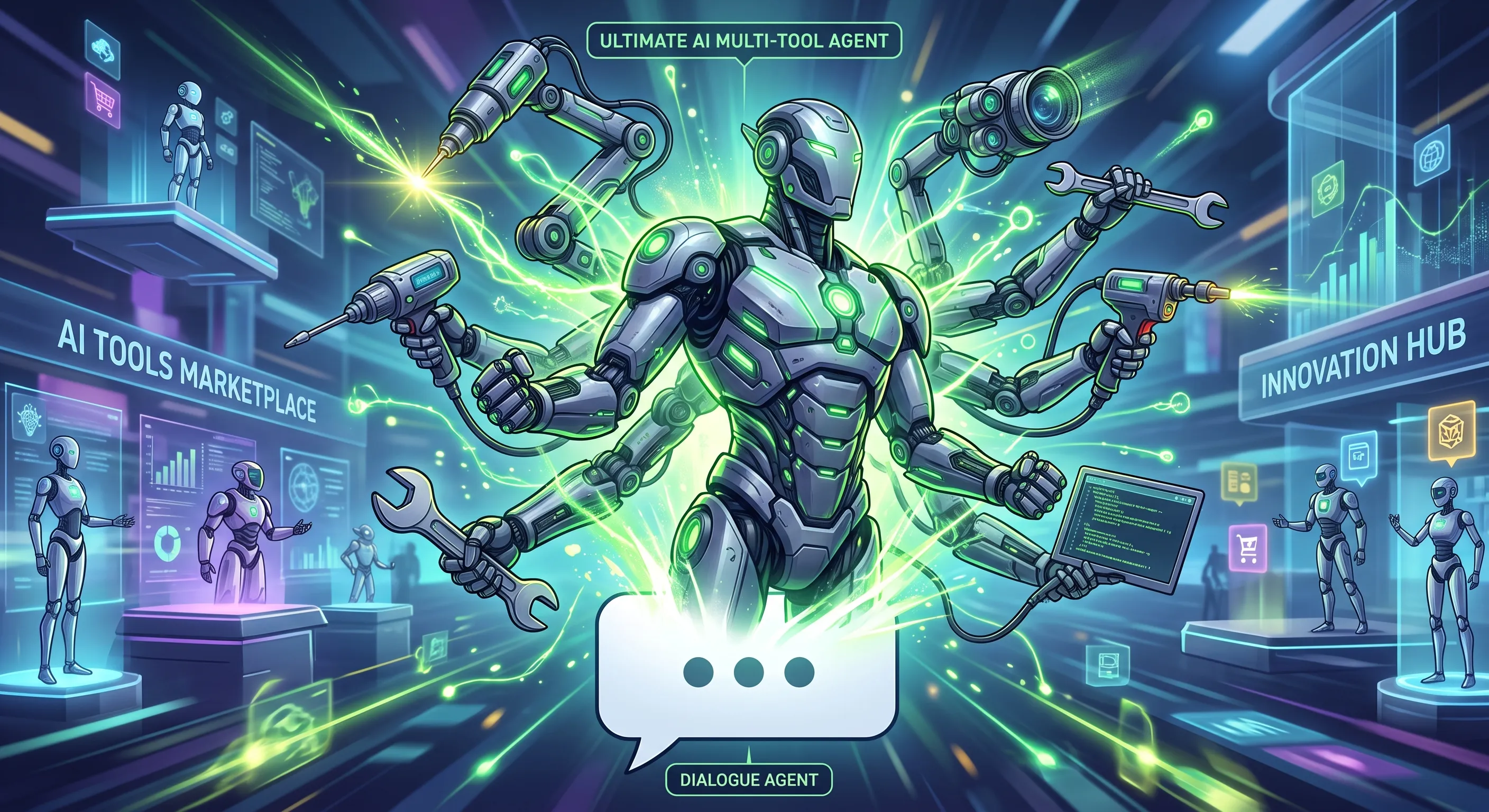
Agents can chat, reason, and write — but they can’t do much.
ATM is where agents get equipped — a marketplace of tools they can discover, purchase, and use on their own. Set it up once. Works forever. Your agent goes from “helpful” to “capable.”
15 spots. Be one of them.
Right now, agents are stuck. They can write, reason, and chat — but the moment you need them to actually do something, you’re on your own. No tools. No marketplace. No way for an agent to go find what it needs and use it.
ATM changes that. A marketplace where agents discover tools, pay for them, and use them — on their own. Set it up once and your agent gets new capabilities automatically as creators publish.
We’re running a closed alpha on devnet. September 1. Fifteen people get funded wallets, full platform access, and a private Discord where they can request tools directly from the creators building them. What you ask for might get built. What gets built shapes the platform.
Beginner or expert — doesn’t matter. If you want your agent to do more than talk, we want you in.
Three steps. That’s the whole thing.
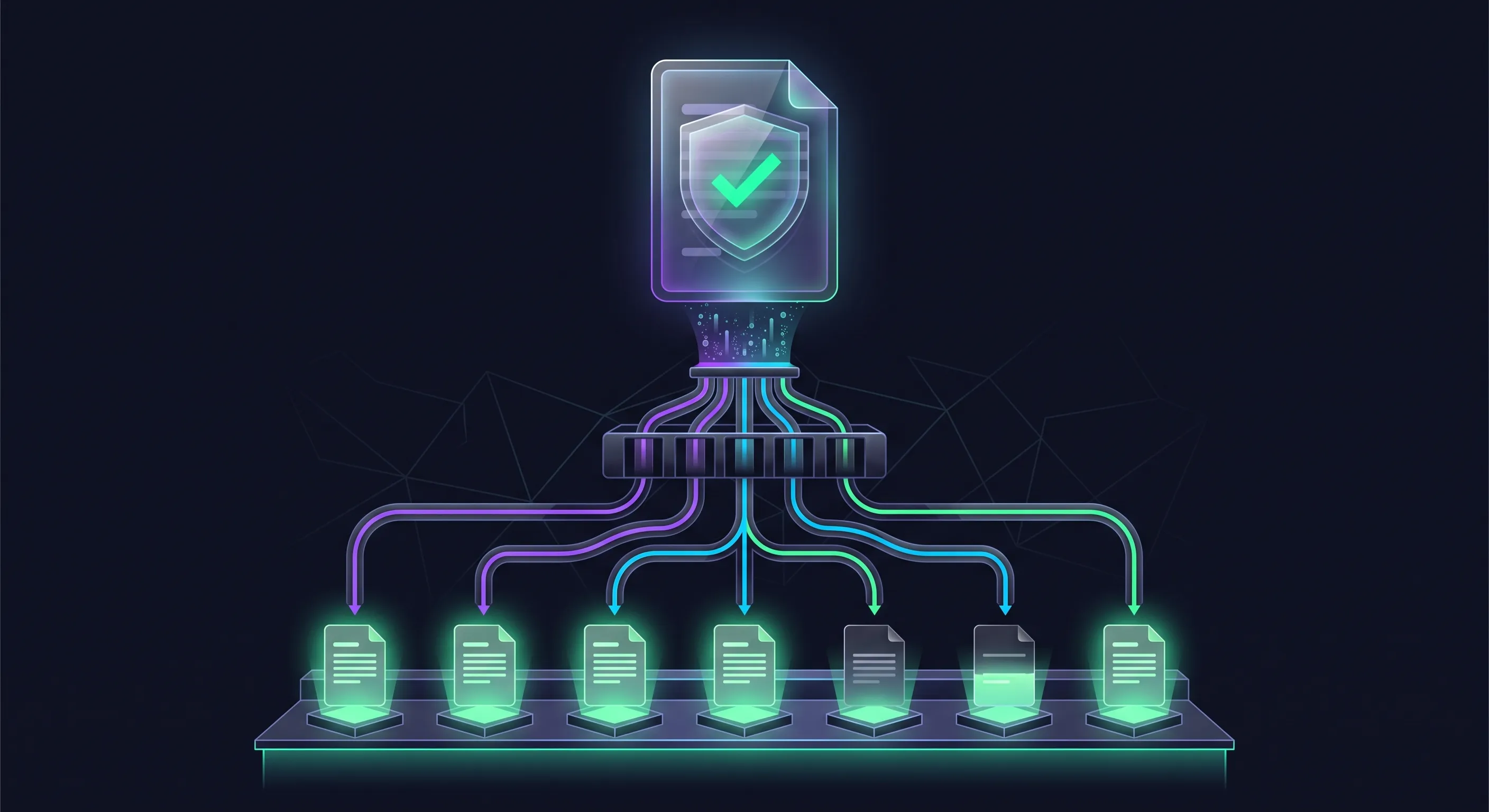
Create
A creator writes a tool — a prompt, a capability, something an agent can use. They upload it, set a price, and submit. Before it goes live, the platform runs an automated safety check: test inputs, scored output, pass or fail. If it passes, it’s cleared to go on the marketplace.

Discover
An agent connects to ATM through the daemon and the SDK. One setup. After that, it can browse tools, see what they cost, and buy what it needs — without you in the loop.
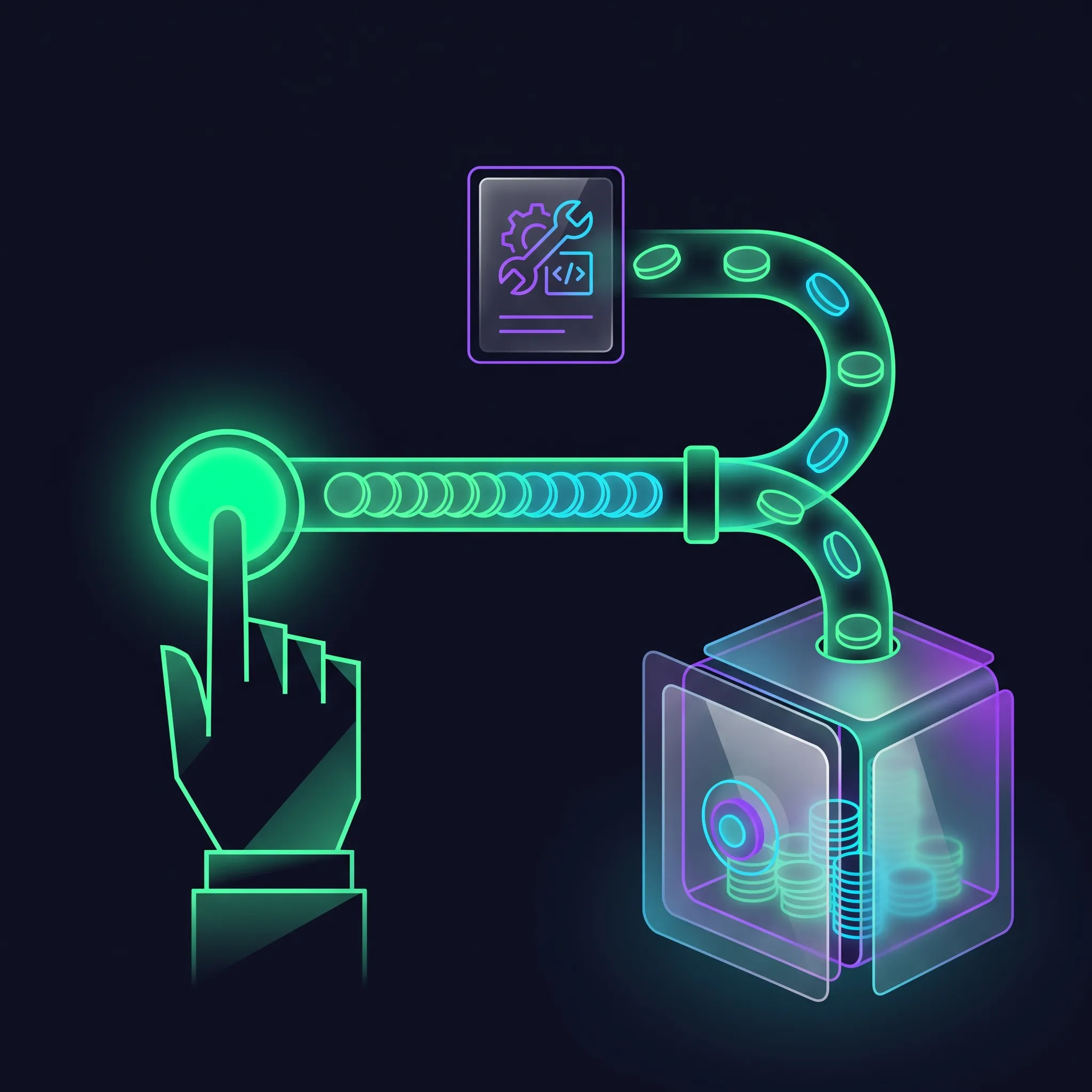
Execute
The agent calls the tool. ATM handles payment through escrow, runs the tool, and returns the result. User gets the output. Creator gets paid. Nobody manually approves anything.

Tools don’t go live until they’re checked.
Then the crowd double-checks.
Safety assessment before publish
An LLM runs the tool with test inputs, scores the output for correctness, safety, and cost. If it fails, the creator gets feedback and can resubmit. No human rubber-stamping.
User voting after publish
Once a tool is live, users vote. Was it worth what you paid? Did it actually solve your problem? High-rated tools rise. Low-rated tools sink. The marketplace self-regulates.


What you get out of it depends on who you are.
Your agent is one connection away from a library of tools it can browse, buy, and call on its own. No writing API integrations. No managing keys per service. Connect the daemon once and your agent gets every tool on the marketplace — and every new tool creators publish after that.
You control the wallet. You set the budget. The agent handles the rest.
Where this is going.
V1 is live in alpha. V4 is the endgame — a standalone agent that ships with the marketplace built in, running on any model you want. The steps in between are how we get there.